Bunnyheart: A Handwritten Font for Authentic Brand Identity
I remember the exact moment I realized my brand needed a visual upgrade. I was sitting at my kitchen table, surrounded by half-finished product labels for my new line of hand-poured soy candles. The scent names were ready, the ingredients were listed, but the typography felt... cold. It looked like generic clip art. My customers deserved better than a label that screamed "template." They deserved something that felt like it had been written with care, just like the wax I poured into each jar.
That search led me to Bunnyheart, a unique handwritten font from Script Amp. As a small business owner who wears every hat—from marketing to fulfillment—I don’t have hours to spend tweaking kerning in complex design software. I need tools that are intuitive, expressive, and professional. After testing Bunnyheart on everything from Instagram story templates to actual physical packaging, I found it to be one of those rare design assets that instantly elevates a brand’s perceived value without requiring a degree in graphic design.
First Impressions: Why Personality Matters in Typography
In the world of e-commerce and handmade goods, your typography is often the first thing a customer notices after the image itself. It sets the mood before they even read a single word. Is your brand serious and corporate? Playful and bold? Or warm and inviting?
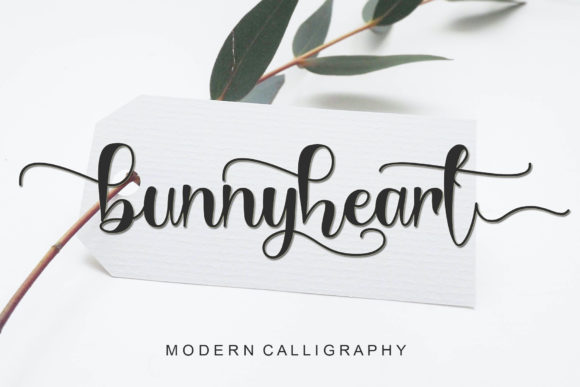
Bunnyheart falls firmly into the warm, inviting, and slightly whimsical category. It isn’t a rigid, mechanical script; it has the organic flow of real penmanship. When you look at the letterforms, you see slight variations in stroke weight and a natural rhythm that mimics human handwriting. This is crucial for building trust. In an era where so much communication is digital and automated, a handwritten font signals humanity. It suggests that a real person curated this message.
For my candle business, switching to Bunnyheart transformed the vibe immediately. Where previous labels felt sterile, the new ones felt cozy. The font’s personality aligns perfectly with brands that want to appear approachable, creative, and heartfelt. It works beautifully for boutiques, bakeries, beauty brands, and lifestyle coaches who want their visual identity to feel personal rather than polished to the point of stiffness.
Real-World Application: From Digital Screens to Physical Packaging
One of the biggest challenges for small business owners is maintaining consistency across different mediums. A logo might look great on a website banner, but will it still be legible when printed small on a sticker or embroidered on a tote bag? I put Bunnyheart through its paces in these exact scenarios.
Social Media and Digital Ads
On social media graphics, Bunnyheart shines as a display font. Because it is a creative font with distinct character, it grabs attention in a crowded feed. I used it for short phrases like "New Drop," "Limited Edition," or "Thank You" overlays on photos. However, I learned quickly that it is best used for headlines rather than long paragraphs. Its artistic flair makes it less suitable for body text, where readability takes precedence. For captions and descriptions, I paired it with a clean sans serif font to ensure my audience could easily digest the information.
Product Labels and Packaging
This was the game-changer. When designing labels for skincare jars or bakery boxes, space is often limited. Bunnyheart’s structure allows for clear hierarchy. I used it for the product name in a larger size, creating a focal point. The curves of the letters soften the overall look of the package, making it feel more premium and gift-worthy. Whether you are creating tags for a clothing boutique or stickers for a stationery shop, this typeface adds a touch of elegance that feels custom-made.
Business Cards and Thank-You Notes
Never underestimate the power of a thank-you card included in an order. It’s a tangible connection with your customer. Printing Bunnyheart on high-quality cardstock for these notes added a layer of sophistication. It showed attention to detail. Customers often mention these little touches in reviews, noting that the packaging felt "thoughtful" and "beautiful." That emotional connection is priceless for retention.
Design Strategy: How to Use Bunnyheart Effectively
To get the most out of any premium font, you need to understand its strengths and limitations. Here is how I recommend integrating Bunnyheart into your brand identity:
- Use it for Headlines and Titles: Let the font do the heavy lifting for visual interest. Use it for logo design elements, menu headers, or flyer titles.
- Pair it with Simplicity: Bunnyheart is busy enough on its own. Pair it with a neutral sans serif font or a classic serif font for supporting text. This contrast creates balance and ensures your message remains readable.
- Keep it Short: Avoid using this script font for long blocks of text. It is designed for impact, not endurance. Stick to short phrases, single words, or key accents.
- Consider Color and Texture: Because the font has a handwritten feel, it pairs well with earthy tones, pastels, or monochrome palettes. It looks especially striking when embossed or foil-stamped on packaging materials.
Technical Details and Licensing Considerations
Before downloading any design assets, it is vital to check the technical specifications. Bunnyheart comes with various styles and weights, which gives you flexibility in your editorial design projects. Make sure to inspect the file formats to ensure compatibility with your preferred software, whether that’s Adobe Illustrator, Canva, or Photoshop.
Additionally, always verify the licensing terms. If you plan to use Bunnyheart on products that you sell (like merchandise, printed goods, or digital downloads), you typically need a commercial license. This protects both you and the designer. Check if the license includes web usage, print runs, and merchandise sales. Understanding these details upfront prevents legal headaches later and ensures you can use the font confidently in your commercial font projects.
Another helpful feature to look for in modern typefaces is multilingual support. If your business targets a global audience, checking for extended character sets can save you from having to swap fonts later. While Bunnyheart is primarily English-focused, knowing its limits helps you plan your international expansion strategies.
The Verdict: A Tool for Memorable Branding
Upgrading my brand’s typography didn’t cost a fortune, but it made a significant difference in how my business was perceived. Bunnyheart provided the missing piece of the puzzle—a voice that spoke directly to my ideal customer’s desire for authenticity and warmth.
Whether you are refreshing a café menu, updating an online shop banner, or creating a cohesive set of social media graphics, the right typeface can bridge the gap between a hobbyist project and a professional enterprise. Bunnyheart is versatile enough for casual crafters yet polished enough for established brands looking to inject some soul into their web design and packaging design.
If you are looking to make your small business look more consistent, trustworthy, and memorable, I highly recommend giving Bunnyheart a try. It’s not just a font; it’s a way to tell your story with heart. And in today’s market, that is exactly what customers are looking for.